Many of you have joined me over at the Teams365 blog this year. Throughout 2014 I have been posting
daily on Team Leadership issues. In case you have missed it, you can check out the year of posts
here. I've looked at core leadership topics ranging from coaching skills for leaders, to trust, to critical things to do during your first 90 days in post, to virtual teams and feedback. If you are a team leader I hope that you will follow along! The Teams365 blog is hosted at our main Potentials Realized site.
One of the monthly events have been hosting for team leaders is the Team Leader Breakfast Cafe which is held by phone on the first Wednesday of every month at 7:15 am ET. Over the past few months we've explored team culture, the six factors of high performing teams. This month I talked about creating high-impact year end retreats for you and your team. I thought you might enjoy it. You can access the call here.
I hope that you enjoy tapping into a year of resources at the Teams365 blog. I'm looking forward to hearing what you have enjoyed, which can support the direction for 2015. We're also looking at offering a membership site for leaders so you can access on-demand resources real-time when you need it. Please comment and let us know what you like about the Teams365 blog, as well as what other support would be useful to you as a leader.
Best
Jennifer
Jennifer Britton, MES, CPT, PCC, CHRL
Potentials Realized - Leadership | Teamwork | Coaching Skills Training for Leaders
Supporting Team Leaders One Conversation at a Time(TM)
Join us for an upcoming Teams365 Team Leader Coaching Group
OR The next cohort of the Team365 Leader Foundations program
(416)996-8326
Showing posts with label Leadership. Show all posts
Friday, November 07, 2014
Wednesday, January 29, 2014
Leadership a-z: T is for Time Management
Doing more with less is a key mantra of today’s business
context. At the same time, most of us are
| Time Management Wordle - Jennifer Britton, 2014 |
Consider these factoids:
- Managers may spend up to 40% of their time in managing email - more than 2.5 or 3 hours a day (hamsterrevolution.com)
- You may face up to 56 interruptions per day (read the article from Wendy Cole in Time)
- Information overwhelm - Today an issue of the New York Times contains more information than the average person was likely to encounter in their lifetime during the 17th century (Elaine Biech, 2007)
What are the implications for leaders? A constant barrage of information
and communication, and the potential to quickly become overwhelmed with
information and communication.
Today’s post provides four tips for time management:
1. Know where your
time actually goes. A lot of us “think” we know where we spend our time,
when in fact it many not be representative of really where our time is being
spent. A tool I share with leaders I coach is the Time Tracker. For the span of
a week (or longer if your schedule varies greatly) track where your time is
going. It may be useful to do this in 15 or 30 min increments. Electronically
or on paper, note each block and categorize it into common categories
(meetings, commuting, email, time with staff, reporting, relationship
management etc). At the end of the week, summarize where you have spent your
time.
As you review your schedule that week ask yourself:
- What do you notice?
- Where are you spending the bulk of your time?
- What results are you getting from this? (Consdier the 80/20 rule in this context)
- What changes are needed to support you in maximizing your productivity?
2. Prioritize - In a recent post, Leadership A-Z p is for prioritization, I shared four tools for prioritization. We
have a fixed amount of time, so it is important to consider what really key in our work. The four tools I explored in the post include:
1. The Urgent/Important Matrix
2. the 80/20 Rule
3. Prioritization Matrix
4. Strategic Issues Mapping
These tools may be useful in supporting you towards more
effective time management
3. Delegate - Delegation is critical for any leader’s
success. Taking a look at your priorities, what are the things you really need
to do and what can be handed off to others.
A recent blog post addressed the topic of delegation - which
you can read here.
What tasks do you want to delegate?
4. Manage Interruptions:
Every time we get interrupted we
need to stop what we are doing, refocus, and then start up again. We often
don’t factor in the cost of “start up” again. While we may not be able to
completely erase interruptions, we are able to manage them more effectively.
Some possible options for managing interruptions include:
- Keep an interruption log - like your time in general,
where do your intrruptions come from. Which ones are “really important, and
couldn’t be handled any other way”
- Create a dedicated focus time - this may require a change
to the way you work. What time of day could you “close your door” for a
centralized focus time. Communicating this time to other team members, or
instituting it organization wide, can support more focused work, which may in
fact shorten the time it takes you to get things done.
- Schedule times when you will check email and/or the phone.
Depending on your role, email may be a constant interruption. It may be useful
to experiment with creating dedicated email time, and turning it off at others.
Communicate this to others so that they are aware that you will not be
available or online at certain times.
A 2005 article by Spirex and Feintuch of BASEX estimates that interruptions consume
28% of a “knowledge workers” day, a cost of $588 Billion a year in the US
(estimating a 28 Billion lost person hours and a cost per hour of $21/per
worker). You can link to their article here.
Consider these questions:
What is the cost of interruptions in your day?
Which type of
interruptions do you face?
What approaches can you use to minimize
interruptions?Which of these four areas is priority for you? What resources would you recommend to others?
Best wishes,
Jennifer
Jennifer Britton, MES, CPT, PCC
Potentials Realized
Author of Effective Group Coaching and From One to Many: Best Practices of Team and Group Coaching (Jossey-Bass, 2013)
Phone: (416)996-TEAM
Learn more about our retreat and leadership development offerings and support
Visit our daily tips for teams and team leaders at the Teams 365 blog
As an author Jennifer Britton is known for her thought leadership in the area of group and team coaching. She is also a former leader and team builder who spent the first 13 years of her career working within the United Nations as well as the international aid sector. From Boardroom to jungle, beach and forest to mountains, Jennifer has worked to develop teams and leaders in more than 18 countries, and virtually many more. She founded Potentials Realized in 2004 and focuses on leadership, teamwork and coaching skills training.
Thursday, January 23, 2014
Leadership A-Z: R is for Recognition
As a professional, how much time do you spend recognizing your staff and acknowledging their achievements. The topic of recognition can be a very personalized one, and not everyone is going to value the same things or even find recognition always positive. Consider these scenarios:
* A very introverted member of staff who is extremely shy and likes to stand behind the scenes is acknowledged publicly in a full organization meeting for their achievements and is asked to stand up to take credit. What do you think the impact is for them?
* One of your top performers is given the task to leading yet another special project. This one with high visibility. This comes as they are just winding down a year long other high visibility project, and after they have indicated that they are looking forward to being able to focus more on their core tasks as they have some evolving elder care responsibilities for one of their parents. What do you think the impact is for them?
What do you use to recognize employees? Recognition programs will vary from company, to company, dependent on the industry, size, and whether an organization is unionized or now.
Here are some possible recognition possibilities:
- Gift cards
- Staff/team lunch, BBQ
- Special sporting event - tickets or participation
- Time off
- Public acknowledgement - by email, in company newsletter/publication, in a presentation
- Hand written card of thanks
- Note on file for achievement
- Certificate
- Take them out to lunch
- Give them a gift so they and their family can go out
and of course a simple thank you is also important!
What recognition is needed within your team. Where do you want to positively reinforce outstanding behavior?
Have a great week,
Jennifer
Jennifer Britton, MES, PCC, CPT
Potentials Realized
Author of Effective Group Coaching and From One to Many: Best Practices of Team and Group Coaching (Jossey-Bass, 2013)
Phone: (416)996-TEAM
Learn more about our retreat and leadership development offerings and support
As an author Jennifer Britton is known for her thought leadership in the area of group and team coaching. She is also a former leader and team builder who spent the first 13 years of her career working within the United Nations as well as the international aid sector. From Boardroom to jungle, beach and forest to mountains, Jennifer has worked to develop teams and leaders in more than 18 countries, and virtually many more. She founded Potentials Realized in 2004 and focuses on leadership, teamwork and coaching skills training.
* A very introverted member of staff who is extremely shy and likes to stand behind the scenes is acknowledged publicly in a full organization meeting for their achievements and is asked to stand up to take credit. What do you think the impact is for them?
* One of your top performers is given the task to leading yet another special project. This one with high visibility. This comes as they are just winding down a year long other high visibility project, and after they have indicated that they are looking forward to being able to focus more on their core tasks as they have some evolving elder care responsibilities for one of their parents. What do you think the impact is for them?
What do you use to recognize employees? Recognition programs will vary from company, to company, dependent on the industry, size, and whether an organization is unionized or now.
Here are some possible recognition possibilities:
- Gift cards
- Staff/team lunch, BBQ
- Special sporting event - tickets or participation
- Time off
- Public acknowledgement - by email, in company newsletter/publication, in a presentation
- Hand written card of thanks
- Note on file for achievement
- Certificate
- Take them out to lunch
- Give them a gift so they and their family can go out
and of course a simple thank you is also important!
What recognition is needed within your team. Where do you want to positively reinforce outstanding behavior?
Have a great week,
Jennifer
Jennifer Britton, MES, PCC, CPT
Potentials Realized
Author of Effective Group Coaching and From One to Many: Best Practices of Team and Group Coaching (Jossey-Bass, 2013)
Phone: (416)996-TEAM
Learn more about our retreat and leadership development offerings and support
As an author Jennifer Britton is known for her thought leadership in the area of group and team coaching. She is also a former leader and team builder who spent the first 13 years of her career working within the United Nations as well as the international aid sector. From Boardroom to jungle, beach and forest to mountains, Jennifer has worked to develop teams and leaders in more than 18 countries, and virtually many more. She founded Potentials Realized in 2004 and focuses on leadership, teamwork and coaching skills training.
Monday, January 06, 2014
Teams 365 Blog for Teams and Team Leaders
Happy New Year! I hope that you had a wonderful holiday season. One of my 2014 projects is the Teams 365 blog for Teams and Team Leaders. You can view it over at my Potentials Realized site here.
Every day this year I will be providing teams and team leaders with a question, tip or resource to help them do better work. As many of you know team development is a central focus of the work I do. With the hundreds of teams I have worked with, and supported, over the last twenty plus years it's amazing to see how similar issues are, regardless of location or industry. Please spread the news to other teams and team leaders who can also benefit from these daily insights.
I hope that you will enjoy the Teams365 blog. You can also follow the daily posts on our Potentials Realized Facebook page or at my Twitter feed.
Here are a couple of the first few questions so far this year:
You can also download your own SWOT strategic planning template here as well.
I look forward to picking up on the Leadership a-z I started in the fall. I'll be resuming regular (weekly-ish) posts on leadership issues here at the blog later this week.
Have a great start to 2014!
With best wishes,
Jennifer
Jennifer Britton, MES, CPT, PCC
Potentials Realized - Coaching, Coaching Skills Training, Leadership and Team Development, Retreats
Email: info(at)potentialsrealized(dot)com
(416)996-8326
Every day this year I will be providing teams and team leaders with a question, tip or resource to help them do better work. As many of you know team development is a central focus of the work I do. With the hundreds of teams I have worked with, and supported, over the last twenty plus years it's amazing to see how similar issues are, regardless of location or industry. Please spread the news to other teams and team leaders who can also benefit from these daily insights.
I hope that you will enjoy the Teams365 blog. You can also follow the daily posts on our Potentials Realized Facebook page or at my Twitter feed.
Here are a couple of the first few questions so far this year:
You can also download your own SWOT strategic planning template here as well.
I look forward to picking up on the Leadership a-z I started in the fall. I'll be resuming regular (weekly-ish) posts on leadership issues here at the blog later this week.
Have a great start to 2014!
With best wishes,
Jennifer
Jennifer Britton, MES, CPT, PCC
Potentials Realized - Coaching, Coaching Skills Training, Leadership and Team Development, Retreats
Email: info(at)potentialsrealized(dot)com
(416)996-8326
Monday, December 02, 2013
Leadership a-z: M is for Motivation and Micro-monitoring
Today we are a the letter M in #leadership a through z. Two words in particular jumped to mind for me -
Motivation and Micro-monitoring
Motivation: What motivates you as a leader? What motivates your staff? A great book on this topic is Dan Pink's book Drive. In the book he explores what motivates us and proposes that we are motivated by three things - autonomy, mastery and purpose.
Questions to consider:
Looking at ourselves, where do we get motivation from? Is it an internal driver like purpose, or an external driver like money or recognition? Consider your team members - what are their motivators? What can you do to align their motivators with tasks that need to get done?
How do goals support motivation for your team members?
Resources around motivation:
Motivation 123 website - a website dedicated to motivation. You can visit it here
Jim Riley presents various theorists around motivation including Maslow (remember his Hierarchy of Needs) and others. You can read Jim's overview here.
An animated video by RSA based on a presentation Dan Pink gave. View it here.
Micro-management versus micro-monitoring: A common statement in any leadership development training process is that you don't want to micro-manage.
As a former co-facilitator of mine, Doug McLaren, always stated "as a leader you want to micro-monitor, not micro-manage". Micro-monitoring is about being aware of what your team members are working on, and making sure that you are there to provide support, resources and troubleshooting as needed. Micro-management, in contrast, is about taking over and not letting your employees work autonomously. As indicated earlier in this post, what is a major driver of motivation? Autonomy. Consider the implication
Questions to consider:
What does micro-management mean to you? What does it look like?
What does micro-monitoring mean to you? What does it look like?
On a scale of 0-10 (with 0 being none, and 10 being high) where are you as a micro-manager? A micro-monitor?
What support does each one of your staff really need at the moment to be successful with a particular task or project?
Have a great start to your week,
Jennifer
Jennifer Britton, MES, CPT, PCC
Potentials Realized
Author of Effective Group Coaching and From One to Many: Best Practices of Team and Group Coaching (Jossey-Bass, 2013)
Phone: (416)996-TEAM
Read more about our coaching, retreat and leadership development offerings and support
As an author Jennifer Britton is known for her thought leadership in the area of group and team coaching. She is also a former leader and team builder who spent the first 13 years of her career working within the United Nations as well as the international aid sector. From Boardroom to jungle, beach and forest to mountains, Jennifer has worked to develop teams and leaders in more than 18 countries, and virtually many more. She founded Potentials Realized in 2004 and focuses on leadership, teamwork and coaching skills training
Motivation and Micro-monitoring
Motivation: What motivates you as a leader? What motivates your staff? A great book on this topic is Dan Pink's book Drive. In the book he explores what motivates us and proposes that we are motivated by three things - autonomy, mastery and purpose.
Questions to consider:
Looking at ourselves, where do we get motivation from? Is it an internal driver like purpose, or an external driver like money or recognition? Consider your team members - what are their motivators? What can you do to align their motivators with tasks that need to get done?
How do goals support motivation for your team members?
Resources around motivation:
Motivation 123 website - a website dedicated to motivation. You can visit it here
Jim Riley presents various theorists around motivation including Maslow (remember his Hierarchy of Needs) and others. You can read Jim's overview here.
An animated video by RSA based on a presentation Dan Pink gave. View it here.
Micro-management versus micro-monitoring: A common statement in any leadership development training process is that you don't want to micro-manage.
As a former co-facilitator of mine, Doug McLaren, always stated "as a leader you want to micro-monitor, not micro-manage". Micro-monitoring is about being aware of what your team members are working on, and making sure that you are there to provide support, resources and troubleshooting as needed. Micro-management, in contrast, is about taking over and not letting your employees work autonomously. As indicated earlier in this post, what is a major driver of motivation? Autonomy. Consider the implication
Questions to consider:
What does micro-management mean to you? What does it look like?
What does micro-monitoring mean to you? What does it look like?
On a scale of 0-10 (with 0 being none, and 10 being high) where are you as a micro-manager? A micro-monitor?
What support does each one of your staff really need at the moment to be successful with a particular task or project?
Have a great start to your week,
Jennifer
Jennifer Britton, MES, CPT, PCC
Potentials Realized
Author of Effective Group Coaching and From One to Many: Best Practices of Team and Group Coaching (Jossey-Bass, 2013)
Phone: (416)996-TEAM
Read more about our coaching, retreat and leadership development offerings and support
As an author Jennifer Britton is known for her thought leadership in the area of group and team coaching. She is also a former leader and team builder who spent the first 13 years of her career working within the United Nations as well as the international aid sector. From Boardroom to jungle, beach and forest to mountains, Jennifer has worked to develop teams and leaders in more than 18 countries, and virtually many more. She founded Potentials Realized in 2004 and focuses on leadership, teamwork and coaching skills training
Wednesday, November 27, 2013
Just-in-time: Leadership a - z is j
Today's leadership a through z is about Just-in-time. So much of today's business context makes just-
in-time approaches so valuable -
Just-in time coaching
Just-in-time feedback
Just-in-time training
What words come to mind when you think of "just in time"?
For myself, words such as:
Immediate
In the moment
Specific
Informal
and Focused spring to mind
Immediate feedback and support is important for people to be able to access information right now, in the moment and not six months later or a year later at the performance review process. As leaders we often fall into the trap of thinking that it's going to take a lot of time, when in fact, it doesn't.
What immediate feedback/support/coaching/feedback can you provide right now to your team members? How much time would this really take?
Just in time approaches are very specific, tailored, targeted and focused. If we look to just-in-time warehousing approaches that retailers like Walmart and Canadian Tire have based much of their inventory process on, orders are place when needed, and for specific items. In translating this to the leadership realm, what specific, focused and targeteted feedback do you need to offer to each team member, right now?
Just in time approaches to training or coaching often are more informal. In the moment training can be invaluable, to solve or address an issue right away, rather than when training can be scheduled. This then becomes a more proactive approach to development, enabling "course correction" along the way.
What are the tools you have at your fingertips right now to support you in these conversations?
What other qualities come to mind when you think of just-in-time?
With best wishes,
Jennifer
Jennifer Britton, MES, PCC, CPCC
Potentials Realized - Leadership, Retreats, Team Development
Jennifer Britton, PCC, CPCC
Author of Effective Group Coaching and From One to Many: Best Practices of Team and Group Coaching (Jossey-Bass, 2013)
Phone: (416)996-TEAM
As an author Jennifer Britton is known for her thought leadership in the area of group and team coaching. She is also a former leader and team builder who spent the first 13 years of her career working within the United Nations as well as the international aid sector. From Boardroom to jungle, beach and forest to mountains, Jennifer has worked to develop teams and leaders in more than 18 countries, and virtually many more. She founded Potentials Realized in 2004 and focuses on leadership, teamwork and coaching skills training.
| Wordle created at Wordle.com, Britton, 2013 |
Just-in time coaching
Just-in-time feedback
Just-in-time training
What words come to mind when you think of "just in time"?
For myself, words such as:
Immediate
In the moment
Specific
Informal
and Focused spring to mind
Immediate feedback and support is important for people to be able to access information right now, in the moment and not six months later or a year later at the performance review process. As leaders we often fall into the trap of thinking that it's going to take a lot of time, when in fact, it doesn't.
What immediate feedback/support/coaching/feedback can you provide right now to your team members? How much time would this really take?
Just in time approaches are very specific, tailored, targeted and focused. If we look to just-in-time warehousing approaches that retailers like Walmart and Canadian Tire have based much of their inventory process on, orders are place when needed, and for specific items. In translating this to the leadership realm, what specific, focused and targeteted feedback do you need to offer to each team member, right now?
Just in time approaches to training or coaching often are more informal. In the moment training can be invaluable, to solve or address an issue right away, rather than when training can be scheduled. This then becomes a more proactive approach to development, enabling "course correction" along the way.
What are the tools you have at your fingertips right now to support you in these conversations?
What other qualities come to mind when you think of just-in-time?
With best wishes,
Jennifer
Jennifer Britton, MES, PCC, CPCC
Potentials Realized - Leadership, Retreats, Team Development
Jennifer Britton, PCC, CPCC
Author of Effective Group Coaching and From One to Many: Best Practices of Team and Group Coaching (Jossey-Bass, 2013)
Phone: (416)996-TEAM
As an author Jennifer Britton is known for her thought leadership in the area of group and team coaching. She is also a former leader and team builder who spent the first 13 years of her career working within the United Nations as well as the international aid sector. From Boardroom to jungle, beach and forest to mountains, Jennifer has worked to develop teams and leaders in more than 18 countries, and virtually many more. She founded Potentials Realized in 2004 and focuses on leadership, teamwork and coaching skills training.
Monday, November 25, 2013
Ideas for Your Year End Retreat Processes - Leadership a-z is I
Year end team building or retreat programs can be a great idea, but often are not as leveraged as they
could be. If you are planning a year end retreat, here are some things to consider:
1. What's the purpose? What's the purpose of the program? To start building connection amongst team members, to undertake some strategic planing or goal setting for the next year? To build skills in areas such as conflict resolution? To get to understand each other better? These areas are not exclusive to each other, however, you will want to be clear in your engagement of a facilitator what's the focus and what emphasis do you want to place?
2. What's the follow-up? Many great ideas are left at the retreat site. Build into your 2014 programming time to revisit and follow-up on your retreat learning, actions and commitments. When do you want to schedule a follow-up to continue the conversation?
3. What venue will be conducive to your event? Event venues can range from boardrooms, to specific retreat sites. What location will be conducive to your team? What is the environment you want to create? How easy will it be for participants to get to and from the venue? What transportation and other office arrangements need to be made so everyone can "leave" the office for the day?
4. What type of activities do you want to include? The range of activities offered in today's retreat programs can vary from ropes-courses to strategic planning. How active do your staff expect to be? What are the three or four main areas you'd like to include in a day long program? Looking back at the purpose of the program, where would you like to place the main emphasis?
For more tips and ideas for your retreat programming, you may want to read an article I wrote years ago entitled "Six Essential Design Principles for Your Corporate Retreat" here.
Wishing you a successful retreat process!
With best wishes,
Jennifer
Jennifer Britton, PCC, CPCC
Author of Effective Group Coaching and From One to Many: Best Practices of Team and Group Coaching (Jossey-Bass, 2013)
Phone: (416)996-TEAM
Read more about our retreat and leadership programming
As an author Jennifer Britton is known for her thought leadership in the area of group and team coaching. She is also a former leader and team builder who spent the first 13 years of her career working within the United Nations as well as the international aid sector. From Boardroom to jungle, beach and forest to mountains, Jennifer has worked to develop teams and leaders in more than 18 countries, and virtually many more. She founded Potentials Realized in 2004 and focuses on leadership, teamwork and coaching skills training
![]() |
| SWOT Planning - Photo Britton |
1. What's the purpose? What's the purpose of the program? To start building connection amongst team members, to undertake some strategic planing or goal setting for the next year? To build skills in areas such as conflict resolution? To get to understand each other better? These areas are not exclusive to each other, however, you will want to be clear in your engagement of a facilitator what's the focus and what emphasis do you want to place?
2. What's the follow-up? Many great ideas are left at the retreat site. Build into your 2014 programming time to revisit and follow-up on your retreat learning, actions and commitments. When do you want to schedule a follow-up to continue the conversation?
3. What venue will be conducive to your event? Event venues can range from boardrooms, to specific retreat sites. What location will be conducive to your team? What is the environment you want to create? How easy will it be for participants to get to and from the venue? What transportation and other office arrangements need to be made so everyone can "leave" the office for the day?
4. What type of activities do you want to include? The range of activities offered in today's retreat programs can vary from ropes-courses to strategic planning. How active do your staff expect to be? What are the three or four main areas you'd like to include in a day long program? Looking back at the purpose of the program, where would you like to place the main emphasis?
For more tips and ideas for your retreat programming, you may want to read an article I wrote years ago entitled "Six Essential Design Principles for Your Corporate Retreat" here.
Wishing you a successful retreat process!
With best wishes,
Jennifer
Jennifer Britton, PCC, CPCC
Author of Effective Group Coaching and From One to Many: Best Practices of Team and Group Coaching (Jossey-Bass, 2013)
Phone: (416)996-TEAM
Read more about our retreat and leadership programming
As an author Jennifer Britton is known for her thought leadership in the area of group and team coaching. She is also a former leader and team builder who spent the first 13 years of her career working within the United Nations as well as the international aid sector. From Boardroom to jungle, beach and forest to mountains, Jennifer has worked to develop teams and leaders in more than 18 countries, and virtually many more. She founded Potentials Realized in 2004 and focuses on leadership, teamwork and coaching skills training
Saturday, November 09, 2013
Styles and Teamwork - NaBloPoMo 9
What your style preferences in working and communicating? Do you see the world in broad strokes or fine detail? In a majority of the team and leadership programs I develop with clients we often wind up spending a significant amount of time exploring styles, and how they contribute to what's working, and what's not working within teams, decision making, and communication. A lot of teams find that using an assessment such as the Everything DiSC(R) or the Team Diagnostic as a foundation for our team buiding or team coaching work, creates a common foundation and language to start the dialogue and understanding needed.
I wanted to share one of the weekly tips on teamwork which are posted over at our Potentials Realized Facebook page in today's blog post:

Coaching Questions:
What is your style as a leader? How does this influence your communication, leadership and conflict management approach?
What styles exist in your team?
Given these styles, what are the needs and preferences of your team members? Hpw do they approach communication, work and conflict management?
Have a great weekend,
Jennifer
Jennifer Britton, MES, PCC, CPT
Potentials Realized
Potentials Realized
Supporting leaders and teams through enhanced skills, better conversations and focused performance
Author of Effective Group Coaching (Wiley, 2010) and From One to Many: Best Practices for Team and Group Coaching (Jossey-Bass, 2013)
As an author Jennifer Britton is known for her thought leadership in the area of group and team coaching. She is also a former leader and team builder who spent the first 13 years of her career working within the United Nations as well as the international aid sector. From Boardroom to jungle, beach and forest to mountains, Jennifer has worked to develop teams and leaders in more than 18 countries, and virtually many more. She founded Potentials Realized in 2004 and focuses on leadership, teamwork and coaching skills training.
Did you find this post useful and want to share it? Please do so by linking and attribution. Thank you!
I wanted to share one of the weekly tips on teamwork which are posted over at our Potentials Realized Facebook page in today's blog post:

Coaching Questions:
What is your style as a leader? How does this influence your communication, leadership and conflict management approach?
What styles exist in your team?
Given these styles, what are the needs and preferences of your team members? Hpw do they approach communication, work and conflict management?
Have a great weekend,
Jennifer
Jennifer Britton, MES, PCC, CPT
Potentials Realized
Potentials Realized
Supporting leaders and teams through enhanced skills, better conversations and focused performance
Author of Effective Group Coaching (Wiley, 2010) and From One to Many: Best Practices for Team and Group Coaching (Jossey-Bass, 2013)
As an author Jennifer Britton is known for her thought leadership in the area of group and team coaching. She is also a former leader and team builder who spent the first 13 years of her career working within the United Nations as well as the international aid sector. From Boardroom to jungle, beach and forest to mountains, Jennifer has worked to develop teams and leaders in more than 18 countries, and virtually many more. She founded Potentials Realized in 2004 and focuses on leadership, teamwork and coaching skills training.
Did you find this post useful and want to share it? Please do so by linking and attribution. Thank you!
Thursday, November 07, 2013
Leadership a-z: D is for Delegation NaBloPoMo 7
Today's leadership a-z post is about Delegation. Not a leadership training program goes by without someone asking about how to delegate more effectively. In starting to think about delegation and what we can delegate, we can apply the 5 Ws to Delegation:
What - What do you want to delegate? What are the specifics? What resources do they need to complete this?
Who - Who will you delegate to? Do they have the skills required? What support do they need along the way?
When - What are the major milestones along the way? How will you check in, and when?
Why - Why is this task important? Have you communicated the big picture?
Where - Where does the work need to take place?
How - What are the steps/actions required? How will it be measured? How will you all know it has been successful?
A lot of leaders fall into the trap of either not delegating and doing it all themselves. What is the cost of this? On the flipside, some leaders may over delegate, wondering why things are not done right. Often the questions flowing out of the 5 Ws have not been taken into account. Perhaps the person does not have the skills or resources to do the work, or maybe the authority to make it happen. Perhaps they've gotten things done, but there have been no checkpoints, so the actions taken really weren't the ones needed.
Coaching Questions:
What do you want to delegate?
Why is it important?
How will you communicate this to your staff?
When will you check in?
Have a great week,
Jennifer
Jennifer Britton, MES, PCC, CPT
Potentials Realized
Potentials Realized
Supporting leaders and teams through enhanced skills, better conversations and focused performance
Author of Effective Group Coaching (Wiley, 2010) and From One to Many: Best Practices for Team and Group Coaching (Jossey-Bass, 2013)
As an author Jennifer Britton is known for her thought leadership in the area of group and team coaching. She is also a former leader and team builder who spent the first 13 years of her career working within the United Nations as well as the international aid sector. From Boardroom to jungle, beach and forest to mountains, Jennifer has worked to develop teams and leaders in more than 18 countries, and virtually many more. She founded Potentials Realized in 2004 and focuses on leadership, teamwork and coaching skills training.
Found this post useful and want to share it? Please do so by linking and attribution. Thank you!
Wednesday, November 06, 2013
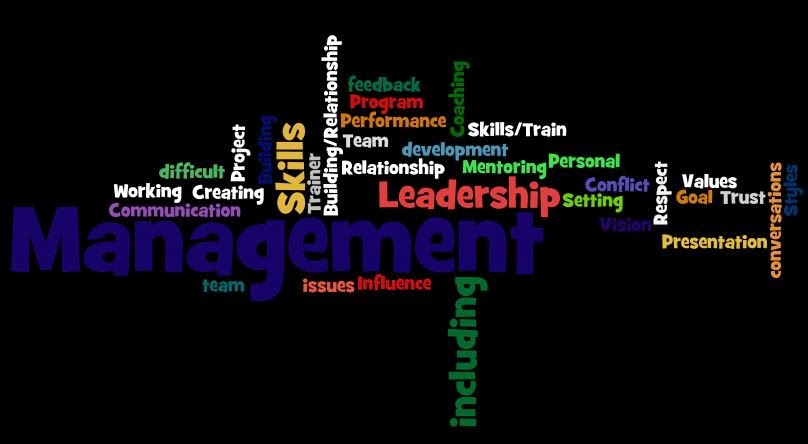
Leadership a-z: C is for Core Leadership Skills - NaBloPoMo 6
| Created at Wordle.com |
the doors of my company Potentials Realized back in 2004.
Regardless of industry I've worked in, or in my former life as a leader within the UN, what country I worked in, core skills of leadership are global.
Yes, the terms we use may change with time, however, open any leadership book, participate in any leadership development initiative, and you are likely to focus on many of these core skills:
- Communication Skills (including feedback and difficult conversations)
- Coaching and Mentoring Skills
- Influence
- Relationship Building/Relationship Management
- Team Leadership including team development issues
- Project Management or Program Management
- Presentation Skills/Train the Trainer
- Leadership and Personal Styles
- Building Trust and Respect
- Performance Management
- Goal Setting
- Creating a Vision, Working with Values
- Conflict Management
What other skills would you include in a core leadership foundation?
Coaching Questions/Assignment:
Rate yourself on a scale of 0-10 on each one of these leadership areas. What is your skill level in each area? What do you notice about your strengths?
Which areas need attention?
What could you do to develop in these areas - training, coaching, mentoring?
With best wishes,
Jennifer
Jennifer Britton, MES, CPT, PCC
Potentials Realized
Building Leaders and Teams through Coaching, Training and Retreats
Author of Effective Group Coaching (Wiley, 2010) and From One to Many: Best Practices for Team and Group Coaching (Jossey-Bass, 2013)
As an author Jennifer Britton is known for her thought leadership in the area of group and team coaching. She is also a former leader and team builder who spent the first 13 years of her career working within the United Nations as well as the international aid sector. From Boardroom to jungle, beach and forest to mountains, Jennifer has worked to develop teams and leaders in more than 18 countries, and virtually many more. She founded Potentials Realized in 2004 and focuses on leadership, teamwork and coaching skills training.
Found this post useful and want to share it? Please do so by linking and attribution. Thank you!
Tuesday, November 05, 2013
Leadership a - z: B is for Behaviors and Bottom-lining: NaBloPoMo 5
Leadership a - z: B is for Behaviors and Bottom Lining
Copyright 2013 - Jennifer Britton. All Rights Reserved.
Today's leadership a-z blog post is around Behaviors and Bottom-lining, two key areas for any leader - new or experienced.
Behaviors shape results and shape the workplace and team experience. As a team coach, a common focus in my work with teams is to support them in the development of Team Agreements, those behaviors they are going to commit to undertaking no matter what. Research continues to show that one of the factors of a high performing team is that they have developed agreements around behaviors - those appropriate and welcomed, and those that aren't.
In developing team agreements I ask the team to describe behaviorally what things like Respect, TRUST, and other terms bandied around the workplace LOOK LIKE. It's very easy to talk about practices like authenticity, accountability, respect, trust, AND what does it look like? If I were to enter into your workplace today and sit down at a meeting, or walk through the halls, WHAT are the BEHAVIORS I would notice? If I had a smartphone videoing your interactions WHAT would I see, regardless of interaction?
Coaching Questions Behaviors:
What are your team agreements - the behaviors your team has agreed to?
How consistent are you with these behaviors?
What do your behaviors say about your workplace?
The second B for today's leadership post is around the coaching skill of bottom-lining. This coaching skill is also known as "laser speak" or "headlining" and is an encouragement to get to the core or essence of your communication. In today's business climate getting to the point, and concise communication is key.
Coaching Questions - Bottom Lining
What do you notice about communication patterns within your team?
When could you practice the skill of "bottom lining"?
What value would there be in sharing this with team members?
Have a great day,
Jennifer
Jennifer Britton
Potentials Realized
Building Leaders and Teams through Coaching, Training and Retreats
Author of Effective Group Coaching (Wiley, 2010) and From One to Many: Best Practices for Team and Group Coaching (Jossey-Bass, 2013)
(416)996-TEAM
As an author Jennifer Britton is known for her thought leadership in the area of group and team coaching. She is also a former leader and team builder who spent the first 13 years of her career working within the United Nations as well as the international aid sector. From Boardroom to jungle, beach and forest to mountains, Jennifer has worked to develop teams and leaders in more than 18 countries, and virtually many more. She founded Potentials Realized in 2004 and focuses on leadership, teamwork and coaching skills training.
Found this post useful and want to share it? Please do so by linking and attribution!
Copyright 2013 - Jennifer Britton. All Rights Reserved.
![]() |
| Photo from DoortenJ - stock.xchng |
Today's leadership a-z blog post is around Behaviors and Bottom-lining, two key areas for any leader - new or experienced.
Behaviors shape results and shape the workplace and team experience. As a team coach, a common focus in my work with teams is to support them in the development of Team Agreements, those behaviors they are going to commit to undertaking no matter what. Research continues to show that one of the factors of a high performing team is that they have developed agreements around behaviors - those appropriate and welcomed, and those that aren't.
In developing team agreements I ask the team to describe behaviorally what things like Respect, TRUST, and other terms bandied around the workplace LOOK LIKE. It's very easy to talk about practices like authenticity, accountability, respect, trust, AND what does it look like? If I were to enter into your workplace today and sit down at a meeting, or walk through the halls, WHAT are the BEHAVIORS I would notice? If I had a smartphone videoing your interactions WHAT would I see, regardless of interaction?
Coaching Questions Behaviors:
What are your team agreements - the behaviors your team has agreed to?
How consistent are you with these behaviors?
What do your behaviors say about your workplace?
The second B for today's leadership post is around the coaching skill of bottom-lining. This coaching skill is also known as "laser speak" or "headlining" and is an encouragement to get to the core or essence of your communication. In today's business climate getting to the point, and concise communication is key.
Coaching Questions - Bottom Lining
What do you notice about communication patterns within your team?
When could you practice the skill of "bottom lining"?
What value would there be in sharing this with team members?
Have a great day,
Jennifer
Jennifer Britton
Potentials Realized
Building Leaders and Teams through Coaching, Training and Retreats
Author of Effective Group Coaching (Wiley, 2010) and From One to Many: Best Practices for Team and Group Coaching (Jossey-Bass, 2013)
(416)996-TEAM
As an author Jennifer Britton is known for her thought leadership in the area of group and team coaching. She is also a former leader and team builder who spent the first 13 years of her career working within the United Nations as well as the international aid sector. From Boardroom to jungle, beach and forest to mountains, Jennifer has worked to develop teams and leaders in more than 18 countries, and virtually many more. She founded Potentials Realized in 2004 and focuses on leadership, teamwork and coaching skills training.
Found this post useful and want to share it? Please do so by linking and attribution!
Monday, November 04, 2013
Leadership a - z: A is for Action and Accountability: NaBloPoMo 4
To provide some structure through this month of posting on leadership topics, I thought that it might be useful to adapt the structure of the a-z that has been so popular with posts I have done at my Effective Group Coaching Facebook site.
I am envisioning that in these a-z of leadership posts, I will include questions to prompt leaders in their reflection process and/or possibly journalling. One recommendation for blog readers is to use the daily questions as part of your journalling process.
Starting off with A, the focus is on Action and Accountability.
Coaching Questions to ask around Action:
What actions are you supporting as a leader? What does this enable?
What actions are really supporting the most strategic goals of the team or company right now?
What actions are pulling the team off course?
How is each team member equipped to take action? Do they have the necessary resources? Are they given the necessary authority to get the job done?
What action do you need to undertake this week.
Coaching Questions to ask around Accountability:
What does accountability mean for you? In your context?
What are you accountable for?
Who are you accountable to?
How do you take responsibility for these results?
See you tomorrow with B!
Best wishes,
Jennifer
Jennifer Britton, MES, PCC, CPCC
Potentials Realized - Teamwork | Leadership | Retreats
Author of From One to Many: Best Practices for Team and Group Coaching (Jossey-Bass, 2013)
I am envisioning that in these a-z of leadership posts, I will include questions to prompt leaders in their reflection process and/or possibly journalling. One recommendation for blog readers is to use the daily questions as part of your journalling process.
Starting off with A, the focus is on Action and Accountability.
Coaching Questions to ask around Action:
What actions are you supporting as a leader? What does this enable?
What actions are really supporting the most strategic goals of the team or company right now?
What actions are pulling the team off course?
How is each team member equipped to take action? Do they have the necessary resources? Are they given the necessary authority to get the job done?
What action do you need to undertake this week.
Coaching Questions to ask around Accountability:
What does accountability mean for you? In your context?
What are you accountable for?
Who are you accountable to?
How do you take responsibility for these results?
See you tomorrow with B!
Best wishes,
Jennifer
Jennifer Britton, MES, PCC, CPCC
Potentials Realized - Teamwork | Leadership | Retreats
Author of From One to Many: Best Practices for Team and Group Coaching (Jossey-Bass, 2013)
Friday, November 01, 2013
My team and leadership stake for NaBloPoMo: Day 1
Happy November! It's National Blog Posting Month and this past year has seen my blog writing and publishing decline wildly, with the writing and publication of my latest book, From One to Many: Best Practices for Team and Group Coaching (Jossey-Bass, 2013) in late July.My creative juices are just starting to get renewed again, especially as I have been "hitting the road" undertaking a number of speaking engagements this fall As I have been talking about team and group coaching issues, the conversation inevitably heads towards team and leadership topics. Given that I would like to be writing more regularly again, and particularly returning to more regular posting here at the BizToolkit, I've taken on the challenge of participating (yes, there is my public commitment - so my feet are now in the fire) in the National Blog Posting Month. As a blogger I plan on posting Monday through Friday, with weekend posts connecting to some of the Leadership and Team and Group Coaching Tips I am sharing over at our Facebook pages (Potentials Realized Facebook and the Effective Group Coaching Facebook page).
So, what leadership and team topics do you want to have featured here at the BizToolkit blog this month?
What are the issues keeping you up at night?
What are the resources you are eager to add to your toolkit?
I'd welcome your feedback and comments to put some grist in the mill for this month of writing! I hope that you will join me!
With best wishes,
Jennifer
Jennifer Britton
Potentials Realized
Author of Effective Group Coaching (Wiley, 2010) and From One to Many: Best Practices for Team and Group Coaching (Jossey-Bass, 2013)
Supporting enhanced leadership and teamwork through retreats, training, coaching and consulting support
Friday, March 01, 2013
Exploring Your Team Strengths
Significant research has been done by the Gallup organization
and others on strengths, and strengths-based leadership.
Did you know that:
- People who use their strengths every day are six times more likely to be engaged on the job.
- Teams that focus on strengths every day have 12.5% greater productivity.
- Teams that receive strengths feedback have 8.9% greater profitability.
(Source: Gallup Strengths Center, https://www.gallupstrengthscenter.com/)
How aware are you or your team members about their
strengths? Are you able to use these every day?
Here are some possible ways for you to explore and start
using your strengths:
1. Undertake a
strengths assessment. Two strengths assessments I usually recommend and
work with my team clients with are the StrengthsFinder 2.0 as well as VIA
Strengths. Each strengths assessment takes about 30 minutes to complete and are
available online. Reports of varying
length are generated when individuals complete each assessments.
2. Spend time as a
team looking at strengths.
Completing the assessment is not
a”be all and end all”. What is interesting and important is what emerges
in conversation about our strengths. Whether you as a team dedicate part of a
team meeting to discussing strengths or you set up a separate meeting (virtual
or in person) about strengths, key is exploring:
- What strengths exist on the team?
- How are they being used?
- How are strengths not being used?
- What gaps exist? What patterns do you notice?
From my experience teams really benefit when they have the
opportunity to move through a structured conversation, using an external
facilitator to the team. These
conversations can take place in person, or virtually for those teams that are
geographically dispersed. When I work with teams on this process, I recommend
we spend at minimum 2 hours exploring the strengths and developing an action
plan, optimally half a day, or part of a series of conversations.
3. Sustain the focus - As part of your
own team process, check in regularly and
discuss how strengths are being used in
the team, and what gaps may be present, particularly if team members are
changing. What strengths are required for different tasks facing the team? Who
might find it easiest/most rewarding to take that project on?
Resources I would recommend those interested in exploring
strengths are:
StrengthsFinder 2.0 - Tom Rath
Strengths Based Leadership - Tom Rath, Barrie Conchie
Go Put Your Strengths to Work - Marcus Buckingham
Check out my other posts on strengths here at the blog.
What are your next steps to exploring, and using, your strengths?
Best regards
Jennifer
Jennifer Britton
Potentials Realized
Author of Effective Group Coaching (Wiley, 2010)
Phone: (416)996-TEAM (8326)
Wednesday, February 27, 2013
Questions for Leaders and their Teams
Some of the work I've been enjoying lately has been with teams - some at full day offsites, some as we connect virtually, and one where I get to meet with them face to face every few weeks. This year on our Potentials Realized Facebook page, I am posting weekly questions for leaders and their teams. These are questions you may wish to incorporate into your team meetings, or even circulate by email.
We know that high-performing teams have a clear vision, clear roles and shared commitment. Extraordinary teams aren't just born, they emerge out of conversation and work together.
I hope that you will continue to follow the weekly team and leader tips throughout the year at the Potentials Realized Facebook page. Here are the first eight questions from the first two months of the year:
Teams will continue to be a major focus of my work this year. As some of you already know, my next book will be focusing on team coaching. The new book - From One to Many: Best Practices for Team and Group Coaching, will be released in mid-June and is already available for pre-order at Amazon.
Best regards
Jennifer
Jennifer Britton, PCC, CPCC
Leadership | TeamWork | Retreats | Coaching
Author of Effective Group Coaching (Wiley, 2010)
Email: jennifer {at}potentialsrealized {dot}com
(416)996-TEAM (8326)
We know that high-performing teams have a clear vision, clear roles and shared commitment. Extraordinary teams aren't just born, they emerge out of conversation and work together.
I hope that you will continue to follow the weekly team and leader tips throughout the year at the Potentials Realized Facebook page. Here are the first eight questions from the first two months of the year:
- What are your most important goals this year? What do you need to get there?
- Which habits are working for your team right now? Which ones aren't?
- What strengths exist on your team? How are they being leverage? How are your strengths being overused and perhaps creating a blindspot?
- What has been working in this so far this year? What do you want to be doing more of? Less of?
- What are the critical skills for your team right now?
- What is the conversation you NEED to have this week? What will be the benefit of having this conversation?
- Where has the team been focusing so far this year? What's been working well with this focus? What changes may need to be made?
- Where is the team getting the most traction and results right now?
Teams will continue to be a major focus of my work this year. As some of you already know, my next book will be focusing on team coaching. The new book - From One to Many: Best Practices for Team and Group Coaching, will be released in mid-June and is already available for pre-order at Amazon.
Best regards
Jennifer
Jennifer Britton, PCC, CPCC
Leadership | TeamWork | Retreats | Coaching
Author of Effective Group Coaching (Wiley, 2010)
Email: jennifer {at}potentialsrealized {dot}com
(416)996-TEAM (8326)
Monday, February 04, 2013
New Article - Six Essential Skills for Teamwork
Whether I am working with a team during a retreat, training program or coaching session we will usually explore many of these six essential skills I mention in the article:
- Communication
- Adaptability
- Appreciation of Differences
- Trust and Respect
- Emotional Intelligence
- Commitment, Accountability and Follow-through
Each week this year I will be posing a question for teams and leaders at our new Potentials Realized Facebook page. I hope that you will join me there to continue the conversation.
Have a great week!
Jennifer
Jennifer Britton, MES, CPT, PCC
Potentials Realized - Leadership, Teamwork, Retreats
Phone: (416)996-TEAM (8326)
Tuesday, May 29, 2012
Facilitating Effective Virtual Meetings
Patrick Lencioni said it really well - "Death by Meeting". How much time have you spent this week in meetings? How effective have they been?
Chances are, you have probably been on a couple of conference calls or virtual meetings. Where did your attention go?
Here are seven tips to keep in mind when considering facilitation of your next virtual meeting:
1. Send out an agenda a few days prior to the call, asking for feedback and input (by a specific date). Follow the agenda during the call.
2. Make the purpose of the meeting explicitly clear so individuals can gauge their need for participation, and what they may need to bring or do prior to the call.
3. If possible, keep it conversational or interactive. Research from virtual learning indicates that virtual participants need to be engaged every 5-7 minutes. Whether it is throwing a question out to the group for discussion, comments (by email) or written reflection, engagement is key!
4. Summarize key decisions, action items and agreements throughout the call. It is easy to "get lost" without the visual cues of a face to face meeting. Summaries along the way will help to keep everyone on the same page.
5. Encourage group members to "bottom line" their comments. As a facilitator of the call, keep an eye on process and keep the call moving. It is easy to get sidetracked and have long-winded stories. Establishing some process guidelines to keep the conversation moving will be very useful.
6. Follow up with a BRIEF summary of the call after wards..
7. Ensure that there is a circling back to check in on action items/commitments as appropriate.
What other tips would you suggest to ensure that your virtual meetings are most effective? Any good resources you know about?
As always, please feel free to share your thoughts below
Warm regards
Jennifer
Jennifer Britton
Author of Effective Group Coaching (Wiley, 2010)
Potentials Realized - Leadership, Teamwork, Retreats
Chances are, you have probably been on a couple of conference calls or virtual meetings. Where did your attention go?
Here are seven tips to keep in mind when considering facilitation of your next virtual meeting:
1. Send out an agenda a few days prior to the call, asking for feedback and input (by a specific date). Follow the agenda during the call.
2. Make the purpose of the meeting explicitly clear so individuals can gauge their need for participation, and what they may need to bring or do prior to the call.
3. If possible, keep it conversational or interactive. Research from virtual learning indicates that virtual participants need to be engaged every 5-7 minutes. Whether it is throwing a question out to the group for discussion, comments (by email) or written reflection, engagement is key!
4. Summarize key decisions, action items and agreements throughout the call. It is easy to "get lost" without the visual cues of a face to face meeting. Summaries along the way will help to keep everyone on the same page.
5. Encourage group members to "bottom line" their comments. As a facilitator of the call, keep an eye on process and keep the call moving. It is easy to get sidetracked and have long-winded stories. Establishing some process guidelines to keep the conversation moving will be very useful.
6. Follow up with a BRIEF summary of the call after wards..
7. Ensure that there is a circling back to check in on action items/commitments as appropriate.
What other tips would you suggest to ensure that your virtual meetings are most effective? Any good resources you know about?
As always, please feel free to share your thoughts below
Warm regards
Jennifer
Jennifer Britton
Author of Effective Group Coaching (Wiley, 2010)
Potentials Realized - Leadership, Teamwork, Retreats
Thursday, May 17, 2012
Leader as Empowerer
"People under the influence of an empowering person are like paper in the hands of a talented artist" - John C.Maxwell
As a leader or professional, what do you do to empower others?
What do you do to provide space, as well as support, for others to do and achieve their goals?
Empowerment is a term that is often bandied around these days, with those empowering and team members who are supposed to feel empowered not always being on the same page. Empowerment without trust and respect may not be construed in the way it was intended.
In order for empowerment to really work it is important that people are given the tools and resources to do their work, as well as the authority and responsibility to make decisions.
As you consider empowering your team:
- What barriers might they smack up against?
- What tools and resources do they need?
- Do they have the authority and responsibility to get things done?
- What additional support, feedback and resources might you need to provide for them?
When groups and teams have what they need in order to do their work, and the space to do the work, it's time to step aside and as a wise colleague of mine says "micro-monitor, not micro-manage".
Have a great week,
Jennifer
Jennifer Britton
Author of Effective Group Coaching (Wiley, 2010)
Potentials Realized - Leadership Development | Teamwork | Staff Retreats
Phone: (416)996-TEAM (8326)
Wednesday, May 09, 2012
Leadership - The Art of Questions
In my former work I had team members in ten countries. I learned very fast that the best skill I could have as a leader/manager was to ask great questions. Today I spend a bulk of my time in coaching conversations with leaders. Regardless of how long you have been a leader, the art of questions is critical.
I really enjoy the parts of my work that have me face to face with new leaders, whether I am leading a training or group coaching process with them. Time and time again, we come back to the basics - communication.
Here are a few tips to keep in mind with respect to the art of questions:
- Great questions are related to what is being said. That really means that we have to listen to what the person is saying to us, not thinking about what question needs to come next. Next conversation you have with a staff, really listen and trust that the right question will come. If not, pause and think about it.
- Great questions are short, sweet and to the point. When did you last get lost in a question someone asked you?
- Great questions are often open-ended, inviting someone to elaborate. Is your question designed to solicit input or is it designed for something else?
- Why questions often put people on the defensive. Why questions however are loved by "why" learners - those that learn through asking the Why?
- How questions will put people into process and may limit creativity and innovation. Try starting with a WHAT question around creativity/innovation and then move to a HOW question.
Next time you are in a conversation, reflect on how you did, AFTER the conversation (not during it). What did you do to really listen and ask great questions?
Have a great week,
Jennifer
Jennifer Britton
Potentials Realized
Coaching, Training and Consulting Services - Leadership, Teamwork, Performance
Phone: (416)996-TEAM (8326)
I really enjoy the parts of my work that have me face to face with new leaders, whether I am leading a training or group coaching process with them. Time and time again, we come back to the basics - communication.
Here are a few tips to keep in mind with respect to the art of questions:
- Great questions are related to what is being said. That really means that we have to listen to what the person is saying to us, not thinking about what question needs to come next. Next conversation you have with a staff, really listen and trust that the right question will come. If not, pause and think about it.
- Great questions are short, sweet and to the point. When did you last get lost in a question someone asked you?
- Great questions are often open-ended, inviting someone to elaborate. Is your question designed to solicit input or is it designed for something else?
- Why questions often put people on the defensive. Why questions however are loved by "why" learners - those that learn through asking the Why?
- How questions will put people into process and may limit creativity and innovation. Try starting with a WHAT question around creativity/innovation and then move to a HOW question.
Next time you are in a conversation, reflect on how you did, AFTER the conversation (not during it). What did you do to really listen and ask great questions?
Have a great week,
Jennifer
Jennifer Britton
Potentials Realized
Coaching, Training and Consulting Services - Leadership, Teamwork, Performance
Phone: (416)996-TEAM (8326)
Monday, May 07, 2012
Virtual Mentoring Tips
Mentoring across distance is becoming much more common place. Last week I delivered a mentor training program to a new set of mentors in the financial services industry. A couple of mentors were surprised that mentoring could work over the phone. In fact, I increasingly hear that virtual mentoring may work better for some parings than face to face meetings.
Here are a couple of tips to get the most out of virtual mentoring:
1. Set a clear agenda for the meeting. What is the focus of the conversation? What does the protege/mentee want to explore? It may be useful for you to have an agreement as to how this is communicated - ie. before the session or at the start?
2. Spend some time building your relationship. Sometimes mentoring at a distance is the only way due to geographic concerns. If you can, it may be useful to meet face to face, even via skype. Mentoring relationships can be strengthened when time is spent getting to know each other, and having discussion around what expectations exist around meeting (where/when), focus areas, type of support etc. Five - ten minutes spent on this can help to keep the process moving for the length of the partnership.
3. Understand each others styles. Virtual mentoring may be more comfortable for t
ose who are more reserved or introverted. Consider how virtual mentoring may support, or not support, your unique styles.
4. Mix it up. If face to face and virtual options are possible, consider how they can be used for greatest impact. You may notice a different "feel" to a call, lending itself to explore certain topic areas.
5. Make it regular. Just because you are not seeing each other face to face, out of sight does not mean out of mind. Together as a mentoring partnership determine how frequently you want to connect. Shorter touchpoints, more frequently may be of greater benefit.
In closing, consider how you can strengthen your mentoring process through the inclusion of more virtual meetings.
Have a great week,
Jennifer
Jennifer Britton, MES, CPT, PCC
Author of Effective Group Coaching (Wiley, 2010)
Potentials Realized - Leadership and Teamwork
Coaching, Training and Consulting Services
Phone: 416-996-TEAM (8326)
Would you like to reprint this post? Please do so with the following: As a former global leader with the UN and other international organizations, Jennifer has always led in "unusual times". Today, Jennifer works with teams and organizations to think outside of the norm, building capacity and solutions which are innovative and flexible. Jennifer is the author of Effective Group Coaching (John Wiley and Sons, 2010), the first book to be published on the topic of Group Coaching globally. She continues to work with clients across Canada, the US and globally, leveraging technology to close the gaps. Her corporate training retreat work has taken her to deliver programs in more than 18 countries.
Here are a couple of tips to get the most out of virtual mentoring:
1. Set a clear agenda for the meeting. What is the focus of the conversation? What does the protege/mentee want to explore? It may be useful for you to have an agreement as to how this is communicated - ie. before the session or at the start?
2. Spend some time building your relationship. Sometimes mentoring at a distance is the only way due to geographic concerns. If you can, it may be useful to meet face to face, even via skype. Mentoring relationships can be strengthened when time is spent getting to know each other, and having discussion around what expectations exist around meeting (where/when), focus areas, type of support etc. Five - ten minutes spent on this can help to keep the process moving for the length of the partnership.
3. Understand each others styles. Virtual mentoring may be more comfortable for t
ose who are more reserved or introverted. Consider how virtual mentoring may support, or not support, your unique styles.
4. Mix it up. If face to face and virtual options are possible, consider how they can be used for greatest impact. You may notice a different "feel" to a call, lending itself to explore certain topic areas.
5. Make it regular. Just because you are not seeing each other face to face, out of sight does not mean out of mind. Together as a mentoring partnership determine how frequently you want to connect. Shorter touchpoints, more frequently may be of greater benefit.
In closing, consider how you can strengthen your mentoring process through the inclusion of more virtual meetings.
Have a great week,
Jennifer
Jennifer Britton, MES, CPT, PCC
Author of Effective Group Coaching (Wiley, 2010)
Potentials Realized - Leadership and Teamwork
Coaching, Training and Consulting Services
Phone: 416-996-TEAM (8326)
Would you like to reprint this post? Please do so with the following: As a former global leader with the UN and other international organizations, Jennifer has always led in "unusual times". Today, Jennifer works with teams and organizations to think outside of the norm, building capacity and solutions which are innovative and flexible. Jennifer is the author of Effective Group Coaching (John Wiley and Sons, 2010), the first book to be published on the topic of Group Coaching globally. She continues to work with clients across Canada, the US and globally, leveraging technology to close the gaps. Her corporate training retreat work has taken her to deliver programs in more than 18 countries.
Subscribe to:
Posts (Atom)