Today we are at G in the Leadership a-z. A central focus of coaching conversations, whether working
wtih individuals, teams or groups, is on goal-setting.
Many of us are familiar with SMART goal setting, on a personal or professional level. In this framework the acronym reminds us to ensure that our goals are:
S- Specific: What exactly are you going to achieve? What are you aiming for?
M - Measurable: How can you measure your progress towards this goal? This might be a specific number, percentage or other.
A - Achievable: Is the goal achievable, with a stretch? What do you need to make sure you achieve it?
R - Realistic : It is realistic with the resoruces you have?
T- Timebound: What is the timeframe on these goals?
In my book, Effective Group Coaching, I add an E on the end, to stand for Exciting. If our goals are not exciting to us, what happens? The chances of them being fulfilled goes down.
Another useful goal framework is the CLEAR goal framework introduced by John Whitmore in his book, Coaching For Performance. Whitmore's CLEAR stands for:
C- Challenging
L - Legal
E- Environmentally Sound
A - Appropriate
R - Recorded (as many of know, what doesn't get written down, doesn't get done)
Coaching Questions:
1. What is the status of your current goals professionally?
2. How do they connect with your team or departmental goals?
3. What might get in the way of goal completion during 2013? What do you need to achieve them? What changes might be needed to the original goal?
4. As you look towards next year, what are some possible goals for your work?
5. What goal framework with work best for you?
6. What will support you in keeping your goals in mind?
Have a great week,
Jennifer
Jennifer Britton, MES, PCC, CPT
Potentials Realized
Phone: (416)996-TEAM
Supporting leaders and teams through enhanced skills, better conversations and focused performance
Author of Effective Group Coaching (Wiley, 2010) and From One to Many: Best Practices for Team and Group Coaching (Jossey-Bass, 2013)
As an author Jennifer Britton is known for her thought leadership
in the area of group and team coaching. She is also a former leader and
team builder who spent the first 13 years of her career working within
the United Nations as well as the international aid sector. From
Boardroom to jungle, beach and forest to mountains, Jennifer has worked
to develop teams and leaders in more than 18 countries, and virtually
many more. She founded Potentials Realized in 2004 and focuses on
leadership, teamwork and coaching skills training.
Showing posts with label NaBloPoMo. Show all posts
Tuesday, November 12, 2013
Monday, November 11, 2013
Leadership A-Z: F is Frameworks for High Performing Teams - NaBloPoMo
A large part of my work with organizations of all sizes (non-profit, SMEs, governmental agencies and corporate) revolves around creating the conditions for more effective team work, usually through a mix of coaching, training and other performance improvement support. Whether I am working with a team in a one day team building offsite, or having sustained conversations over the period of months, I like to share the following definitions. First, what is a team?
In the Wisdom of Teams, Kazenbach and Smith offer us this definition " “... a team is a small number of people with complementary skills who are committed to a common
purpose, performance goals, and approach for which they hold themselves mutually accountable” (p 45).
A framework I usually share, and get leaders and team members to rate themselves, are the six factors of High Performing Teams. Katzenbach and Smith found that High Performing Teams have:
- Shared purpose or mission
- Shared performance goals
- Shared behavioral norms
- Shared team practices
- Shared Commitment
- Clear Roles
Coaching Questions:
1. On a scale of 1-10 (with 1 being low, and 10 being high) where do you rate yourselves in each one of these six areas?
2. Which ones are your strengths? What can you do to leverage these?
3. Which ones are your weak areas?
4. What are some specific action steps you can take to address areas which you have a lower score. If roles are not clear, what could you do to clarify them? If performance goals are not clear, what needs to be done?
5. Who needs to be involved in these dialogues?
6. When do they need to happen?
Interested in finding out about what your team can do to address these? Please contact me or refer to the chapters on team coaching in my latest book - From One to Many: Best Practices for Team and Group Coaching.
Have a great week,
Jennifer
Jennifer Britton, MES, PCC, CPT
Potentials Realized
Phone: (416)996-TEAM
Supporting leaders and teams through enhanced skills, better conversations and focused performance
Author of Effective Group Coaching (Wiley, 2010) and From One to Many: Best Practices for Team and Group Coaching (Jossey-Bass, 2013)
As an author Jennifer Britton is known for her thought leadership in the area of group and team coaching. She is also a former leader and team builder who spent the first 13 years of her career working within the United Nations as well as the international aid sector. From Boardroom to jungle, beach and forest to mountains, Jennifer has worked to develop teams and leaders in more than 18 countries, and virtually many more. She founded Potentials Realized in 2004 and focuses on leadership, teamwork and coaching skills training.
Did you find this post useful and want to share it? Please do so by linking and attribution. Thank you!
Sunday, November 10, 2013
What's your team temperature? NaBloPoMo 10
As you start the week what do you notice about the temperature of your team?

Is it stormy? If so, what issues need to be addressed.
Is it calm? Is it breezy? If so, what do you need to keep an eye on?
Is it calm? If so, how will this serve the team.
Having the team take the temperature on a regular basis can be a great checkpoint, and may signal some differences on the team.
Have a great start to the week!
Jennifer Britton, MES, PCC, CPT
Potentials Realized
Phone: (416)996-TEAM
Potentials Realized
Supporting leaders and teams through enhanced skills, better conversations and focused performance
Author of Effective Group Coaching (Wiley, 2010) and From One to Many: Best Practices for Team and Group Coaching (Jossey-Bass, 2013)
As an author Jennifer Britton is known for her thought leadership in the area of group and team coaching. She is also a former leader and team builder who spent the first 13 years of her career working within the United Nations as well as the international aid sector. From Boardroom to jungle, beach and forest to mountains, Jennifer has worked to develop teams and leaders in more than 18 countries, and virtually many more. She founded Potentials Realized in 2004 and focuses on leadership, teamwork and coaching skills training.
Did you find this post useful and want to share it? Please do so by linking and attribution. Thank you!

Is it stormy? If so, what issues need to be addressed.
Is it calm? Is it breezy? If so, what do you need to keep an eye on?
Is it calm? If so, how will this serve the team.
Having the team take the temperature on a regular basis can be a great checkpoint, and may signal some differences on the team.
Have a great start to the week!
Jennifer Britton, MES, PCC, CPT
Potentials Realized
Phone: (416)996-TEAM
Potentials Realized
Supporting leaders and teams through enhanced skills, better conversations and focused performance
Author of Effective Group Coaching (Wiley, 2010) and From One to Many: Best Practices for Team and Group Coaching (Jossey-Bass, 2013)
As an author Jennifer Britton is known for her thought leadership in the area of group and team coaching. She is also a former leader and team builder who spent the first 13 years of her career working within the United Nations as well as the international aid sector. From Boardroom to jungle, beach and forest to mountains, Jennifer has worked to develop teams and leaders in more than 18 countries, and virtually many more. She founded Potentials Realized in 2004 and focuses on leadership, teamwork and coaching skills training.
Did you find this post useful and want to share it? Please do so by linking and attribution. Thank you!
Saturday, November 09, 2013
Styles and Teamwork - NaBloPoMo 9
What your style preferences in working and communicating? Do you see the world in broad strokes or fine detail? In a majority of the team and leadership programs I develop with clients we often wind up spending a significant amount of time exploring styles, and how they contribute to what's working, and what's not working within teams, decision making, and communication. A lot of teams find that using an assessment such as the Everything DiSC(R) or the Team Diagnostic as a foundation for our team buiding or team coaching work, creates a common foundation and language to start the dialogue and understanding needed.
I wanted to share one of the weekly tips on teamwork which are posted over at our Potentials Realized Facebook page in today's blog post:

Coaching Questions:
What is your style as a leader? How does this influence your communication, leadership and conflict management approach?
What styles exist in your team?
Given these styles, what are the needs and preferences of your team members? Hpw do they approach communication, work and conflict management?
Have a great weekend,
Jennifer
Jennifer Britton, MES, PCC, CPT
Potentials Realized
Potentials Realized
Supporting leaders and teams through enhanced skills, better conversations and focused performance
Author of Effective Group Coaching (Wiley, 2010) and From One to Many: Best Practices for Team and Group Coaching (Jossey-Bass, 2013)
As an author Jennifer Britton is known for her thought leadership in the area of group and team coaching. She is also a former leader and team builder who spent the first 13 years of her career working within the United Nations as well as the international aid sector. From Boardroom to jungle, beach and forest to mountains, Jennifer has worked to develop teams and leaders in more than 18 countries, and virtually many more. She founded Potentials Realized in 2004 and focuses on leadership, teamwork and coaching skills training.
Did you find this post useful and want to share it? Please do so by linking and attribution. Thank you!
I wanted to share one of the weekly tips on teamwork which are posted over at our Potentials Realized Facebook page in today's blog post:

Coaching Questions:
What is your style as a leader? How does this influence your communication, leadership and conflict management approach?
What styles exist in your team?
Given these styles, what are the needs and preferences of your team members? Hpw do they approach communication, work and conflict management?
Have a great weekend,
Jennifer
Jennifer Britton, MES, PCC, CPT
Potentials Realized
Potentials Realized
Supporting leaders and teams through enhanced skills, better conversations and focused performance
Author of Effective Group Coaching (Wiley, 2010) and From One to Many: Best Practices for Team and Group Coaching (Jossey-Bass, 2013)
As an author Jennifer Britton is known for her thought leadership in the area of group and team coaching. She is also a former leader and team builder who spent the first 13 years of her career working within the United Nations as well as the international aid sector. From Boardroom to jungle, beach and forest to mountains, Jennifer has worked to develop teams and leaders in more than 18 countries, and virtually many more. She founded Potentials Realized in 2004 and focuses on leadership, teamwork and coaching skills training.
Did you find this post useful and want to share it? Please do so by linking and attribution. Thank you!
Friday, November 08, 2013
Leadership a - z - E is for Expecations: NaBloPoMo 8
Today's leadership a-z post is for Expectations. When expectations are not clear, or are not met, things can go off the rails.
Common expectations leaders may be discussing with their team may revolve around:
- Start and end time
- Communication patterns (frequency, way - face to face, email)
- Process expectations related to task
- Dealing with questions or conflict
High Performing Teams are known to have articulated their expectations in Team Agreements. Team Agreements explicitly spell out behaviors all team members agree to. As written in other posts, we may have an agreement around Respect. What does Respect mean for this team? What does it look like? If I were to film the team in action, what behaviors would I see around respect?
As you may gather, it's not enough in today's work place for the leader to talk about his or her own expectations. It's a two way streeet. What are the team's expecations of the leader - individually and collectively? Teams will want to consider co-creating their expectations, or collectively creating their expectations.
Coaching Questions:
What expectations - explicit and unspoken - exist within the team? For you as a leader?
What needs to be made explicit?
What are the behaviors underpinning these expectations?
Have a great week,
Jennifer
Jennifer Britton, MES, PCC, CPT
Potentials Realized
Potentials Realized
Supporting leaders and teams through enhanced skills, better conversations and focused performance
Author of Effective Group Coaching (Wiley, 2010) and From One to Many: Best Practices for Team and Group Coaching (Jossey-Bass, 2013)
As an author Jennifer Britton is known for her thought leadership in the area of group and team coaching. She is also a former leader and team builder who spent the first 13 years of her career working within the United Nations as well as the international aid sector. From Boardroom to jungle, beach and forest to mountains, Jennifer has worked to develop teams and leaders in more than 18 countries, and virtually many more. She founded Potentials Realized in 2004 and focuses on leadership, teamwork and coaching skills training.
Found this post useful and want to share it? Please do so by linking and attribution. Thank you!
Common expectations leaders may be discussing with their team may revolve around:
- Start and end time
- Communication patterns (frequency, way - face to face, email)
- Process expectations related to task
- Dealing with questions or conflict
High Performing Teams are known to have articulated their expectations in Team Agreements. Team Agreements explicitly spell out behaviors all team members agree to. As written in other posts, we may have an agreement around Respect. What does Respect mean for this team? What does it look like? If I were to film the team in action, what behaviors would I see around respect?
As you may gather, it's not enough in today's work place for the leader to talk about his or her own expectations. It's a two way streeet. What are the team's expecations of the leader - individually and collectively? Teams will want to consider co-creating their expectations, or collectively creating their expectations.
Coaching Questions:
What expectations - explicit and unspoken - exist within the team? For you as a leader?
What needs to be made explicit?
What are the behaviors underpinning these expectations?
Have a great week,
Jennifer
Jennifer Britton, MES, PCC, CPT
Potentials Realized
Potentials Realized
Supporting leaders and teams through enhanced skills, better conversations and focused performance
Author of Effective Group Coaching (Wiley, 2010) and From One to Many: Best Practices for Team and Group Coaching (Jossey-Bass, 2013)
As an author Jennifer Britton is known for her thought leadership in the area of group and team coaching. She is also a former leader and team builder who spent the first 13 years of her career working within the United Nations as well as the international aid sector. From Boardroom to jungle, beach and forest to mountains, Jennifer has worked to develop teams and leaders in more than 18 countries, and virtually many more. She founded Potentials Realized in 2004 and focuses on leadership, teamwork and coaching skills training.
Found this post useful and want to share it? Please do so by linking and attribution. Thank you!
Thursday, November 07, 2013
Leadership a-z: D is for Delegation NaBloPoMo 7
Today's leadership a-z post is about Delegation. Not a leadership training program goes by without someone asking about how to delegate more effectively. In starting to think about delegation and what we can delegate, we can apply the 5 Ws to Delegation:
What - What do you want to delegate? What are the specifics? What resources do they need to complete this?
Who - Who will you delegate to? Do they have the skills required? What support do they need along the way?
When - What are the major milestones along the way? How will you check in, and when?
Why - Why is this task important? Have you communicated the big picture?
Where - Where does the work need to take place?
How - What are the steps/actions required? How will it be measured? How will you all know it has been successful?
A lot of leaders fall into the trap of either not delegating and doing it all themselves. What is the cost of this? On the flipside, some leaders may over delegate, wondering why things are not done right. Often the questions flowing out of the 5 Ws have not been taken into account. Perhaps the person does not have the skills or resources to do the work, or maybe the authority to make it happen. Perhaps they've gotten things done, but there have been no checkpoints, so the actions taken really weren't the ones needed.
Coaching Questions:
What do you want to delegate?
Why is it important?
How will you communicate this to your staff?
When will you check in?
Have a great week,
Jennifer
Jennifer Britton, MES, PCC, CPT
Potentials Realized
Potentials Realized
Supporting leaders and teams through enhanced skills, better conversations and focused performance
Author of Effective Group Coaching (Wiley, 2010) and From One to Many: Best Practices for Team and Group Coaching (Jossey-Bass, 2013)
As an author Jennifer Britton is known for her thought leadership in the area of group and team coaching. She is also a former leader and team builder who spent the first 13 years of her career working within the United Nations as well as the international aid sector. From Boardroom to jungle, beach and forest to mountains, Jennifer has worked to develop teams and leaders in more than 18 countries, and virtually many more. She founded Potentials Realized in 2004 and focuses on leadership, teamwork and coaching skills training.
Found this post useful and want to share it? Please do so by linking and attribution. Thank you!
Wednesday, November 06, 2013
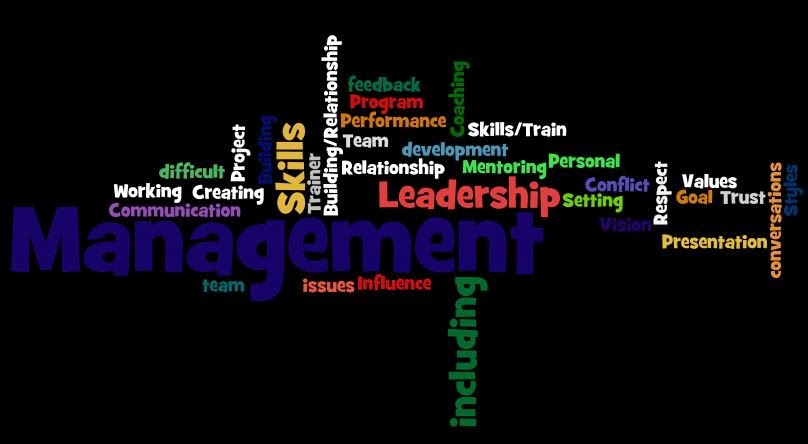
Leadership a-z: C is for Core Leadership Skills - NaBloPoMo 6
| Created at Wordle.com |
the doors of my company Potentials Realized back in 2004.
Regardless of industry I've worked in, or in my former life as a leader within the UN, what country I worked in, core skills of leadership are global.
Yes, the terms we use may change with time, however, open any leadership book, participate in any leadership development initiative, and you are likely to focus on many of these core skills:
- Communication Skills (including feedback and difficult conversations)
- Coaching and Mentoring Skills
- Influence
- Relationship Building/Relationship Management
- Team Leadership including team development issues
- Project Management or Program Management
- Presentation Skills/Train the Trainer
- Leadership and Personal Styles
- Building Trust and Respect
- Performance Management
- Goal Setting
- Creating a Vision, Working with Values
- Conflict Management
What other skills would you include in a core leadership foundation?
Coaching Questions/Assignment:
Rate yourself on a scale of 0-10 on each one of these leadership areas. What is your skill level in each area? What do you notice about your strengths?
Which areas need attention?
What could you do to develop in these areas - training, coaching, mentoring?
With best wishes,
Jennifer
Jennifer Britton, MES, CPT, PCC
Potentials Realized
Building Leaders and Teams through Coaching, Training and Retreats
Author of Effective Group Coaching (Wiley, 2010) and From One to Many: Best Practices for Team and Group Coaching (Jossey-Bass, 2013)
As an author Jennifer Britton is known for her thought leadership in the area of group and team coaching. She is also a former leader and team builder who spent the first 13 years of her career working within the United Nations as well as the international aid sector. From Boardroom to jungle, beach and forest to mountains, Jennifer has worked to develop teams and leaders in more than 18 countries, and virtually many more. She founded Potentials Realized in 2004 and focuses on leadership, teamwork and coaching skills training.
Found this post useful and want to share it? Please do so by linking and attribution. Thank you!
Tuesday, November 05, 2013
Leadership a - z: B is for Behaviors and Bottom-lining: NaBloPoMo 5
Leadership a - z: B is for Behaviors and Bottom Lining
Copyright 2013 - Jennifer Britton. All Rights Reserved.
Today's leadership a-z blog post is around Behaviors and Bottom-lining, two key areas for any leader - new or experienced.
Behaviors shape results and shape the workplace and team experience. As a team coach, a common focus in my work with teams is to support them in the development of Team Agreements, those behaviors they are going to commit to undertaking no matter what. Research continues to show that one of the factors of a high performing team is that they have developed agreements around behaviors - those appropriate and welcomed, and those that aren't.
In developing team agreements I ask the team to describe behaviorally what things like Respect, TRUST, and other terms bandied around the workplace LOOK LIKE. It's very easy to talk about practices like authenticity, accountability, respect, trust, AND what does it look like? If I were to enter into your workplace today and sit down at a meeting, or walk through the halls, WHAT are the BEHAVIORS I would notice? If I had a smartphone videoing your interactions WHAT would I see, regardless of interaction?
Coaching Questions Behaviors:
What are your team agreements - the behaviors your team has agreed to?
How consistent are you with these behaviors?
What do your behaviors say about your workplace?
The second B for today's leadership post is around the coaching skill of bottom-lining. This coaching skill is also known as "laser speak" or "headlining" and is an encouragement to get to the core or essence of your communication. In today's business climate getting to the point, and concise communication is key.
Coaching Questions - Bottom Lining
What do you notice about communication patterns within your team?
When could you practice the skill of "bottom lining"?
What value would there be in sharing this with team members?
Have a great day,
Jennifer
Jennifer Britton
Potentials Realized
Building Leaders and Teams through Coaching, Training and Retreats
Author of Effective Group Coaching (Wiley, 2010) and From One to Many: Best Practices for Team and Group Coaching (Jossey-Bass, 2013)
(416)996-TEAM
As an author Jennifer Britton is known for her thought leadership in the area of group and team coaching. She is also a former leader and team builder who spent the first 13 years of her career working within the United Nations as well as the international aid sector. From Boardroom to jungle, beach and forest to mountains, Jennifer has worked to develop teams and leaders in more than 18 countries, and virtually many more. She founded Potentials Realized in 2004 and focuses on leadership, teamwork and coaching skills training.
Found this post useful and want to share it? Please do so by linking and attribution!
Copyright 2013 - Jennifer Britton. All Rights Reserved.
![]() |
| Photo from DoortenJ - stock.xchng |
Today's leadership a-z blog post is around Behaviors and Bottom-lining, two key areas for any leader - new or experienced.
Behaviors shape results and shape the workplace and team experience. As a team coach, a common focus in my work with teams is to support them in the development of Team Agreements, those behaviors they are going to commit to undertaking no matter what. Research continues to show that one of the factors of a high performing team is that they have developed agreements around behaviors - those appropriate and welcomed, and those that aren't.
In developing team agreements I ask the team to describe behaviorally what things like Respect, TRUST, and other terms bandied around the workplace LOOK LIKE. It's very easy to talk about practices like authenticity, accountability, respect, trust, AND what does it look like? If I were to enter into your workplace today and sit down at a meeting, or walk through the halls, WHAT are the BEHAVIORS I would notice? If I had a smartphone videoing your interactions WHAT would I see, regardless of interaction?
Coaching Questions Behaviors:
What are your team agreements - the behaviors your team has agreed to?
How consistent are you with these behaviors?
What do your behaviors say about your workplace?
The second B for today's leadership post is around the coaching skill of bottom-lining. This coaching skill is also known as "laser speak" or "headlining" and is an encouragement to get to the core or essence of your communication. In today's business climate getting to the point, and concise communication is key.
Coaching Questions - Bottom Lining
What do you notice about communication patterns within your team?
When could you practice the skill of "bottom lining"?
What value would there be in sharing this with team members?
Have a great day,
Jennifer
Jennifer Britton
Potentials Realized
Building Leaders and Teams through Coaching, Training and Retreats
Author of Effective Group Coaching (Wiley, 2010) and From One to Many: Best Practices for Team and Group Coaching (Jossey-Bass, 2013)
(416)996-TEAM
As an author Jennifer Britton is known for her thought leadership in the area of group and team coaching. She is also a former leader and team builder who spent the first 13 years of her career working within the United Nations as well as the international aid sector. From Boardroom to jungle, beach and forest to mountains, Jennifer has worked to develop teams and leaders in more than 18 countries, and virtually many more. She founded Potentials Realized in 2004 and focuses on leadership, teamwork and coaching skills training.
Found this post useful and want to share it? Please do so by linking and attribution!
Monday, November 04, 2013
Leadership a - z: A is for Action and Accountability: NaBloPoMo 4
To provide some structure through this month of posting on leadership topics, I thought that it might be useful to adapt the structure of the a-z that has been so popular with posts I have done at my Effective Group Coaching Facebook site.
I am envisioning that in these a-z of leadership posts, I will include questions to prompt leaders in their reflection process and/or possibly journalling. One recommendation for blog readers is to use the daily questions as part of your journalling process.
Starting off with A, the focus is on Action and Accountability.
Coaching Questions to ask around Action:
What actions are you supporting as a leader? What does this enable?
What actions are really supporting the most strategic goals of the team or company right now?
What actions are pulling the team off course?
How is each team member equipped to take action? Do they have the necessary resources? Are they given the necessary authority to get the job done?
What action do you need to undertake this week.
Coaching Questions to ask around Accountability:
What does accountability mean for you? In your context?
What are you accountable for?
Who are you accountable to?
How do you take responsibility for these results?
See you tomorrow with B!
Best wishes,
Jennifer
Jennifer Britton, MES, PCC, CPCC
Potentials Realized - Teamwork | Leadership | Retreats
Author of From One to Many: Best Practices for Team and Group Coaching (Jossey-Bass, 2013)
I am envisioning that in these a-z of leadership posts, I will include questions to prompt leaders in their reflection process and/or possibly journalling. One recommendation for blog readers is to use the daily questions as part of your journalling process.
Starting off with A, the focus is on Action and Accountability.
Coaching Questions to ask around Action:
What actions are you supporting as a leader? What does this enable?
What actions are really supporting the most strategic goals of the team or company right now?
What actions are pulling the team off course?
How is each team member equipped to take action? Do they have the necessary resources? Are they given the necessary authority to get the job done?
What action do you need to undertake this week.
Coaching Questions to ask around Accountability:
What does accountability mean for you? In your context?
What are you accountable for?
Who are you accountable to?
How do you take responsibility for these results?
See you tomorrow with B!
Best wishes,
Jennifer
Jennifer Britton, MES, PCC, CPCC
Potentials Realized - Teamwork | Leadership | Retreats
Author of From One to Many: Best Practices for Team and Group Coaching (Jossey-Bass, 2013)
Sunday, November 03, 2013
Time to Tweak Your Meetings? - NaBloPoMo #3
Patrick Lencioni described the "death by meeting" syndrome in his book of the same title.
What makes your meetings work?
What's not working?
What changes can you make in this coming week to be more focused and gain greater accountability?
Jennifer Britton, PCC, CPCC
Potentials Realized
Author of Effective Group Coaching (Wiley, 2010) and From One to Many: Best Practices of Team and Group Coaching (Jossey-Bass, 2013)
Saturday, November 02, 2013
Team Strengths - NaBloPoMo 2
Exploring strengths and how they are used, and not being used, is often a key part of the team coaching process. What are your team strengths? How are they used? How are they overused?
Have a great weekend,
Jennifer
Jennifer Britton, PCC, CPCC
Potentials Realized
Friday, November 01, 2013
My team and leadership stake for NaBloPoMo: Day 1
Happy November! It's National Blog Posting Month and this past year has seen my blog writing and publishing decline wildly, with the writing and publication of my latest book, From One to Many: Best Practices for Team and Group Coaching (Jossey-Bass, 2013) in late July.My creative juices are just starting to get renewed again, especially as I have been "hitting the road" undertaking a number of speaking engagements this fall As I have been talking about team and group coaching issues, the conversation inevitably heads towards team and leadership topics. Given that I would like to be writing more regularly again, and particularly returning to more regular posting here at the BizToolkit, I've taken on the challenge of participating (yes, there is my public commitment - so my feet are now in the fire) in the National Blog Posting Month. As a blogger I plan on posting Monday through Friday, with weekend posts connecting to some of the Leadership and Team and Group Coaching Tips I am sharing over at our Facebook pages (Potentials Realized Facebook and the Effective Group Coaching Facebook page).
So, what leadership and team topics do you want to have featured here at the BizToolkit blog this month?
What are the issues keeping you up at night?
What are the resources you are eager to add to your toolkit?
I'd welcome your feedback and comments to put some grist in the mill for this month of writing! I hope that you will join me!
With best wishes,
Jennifer
Jennifer Britton
Potentials Realized
Author of Effective Group Coaching (Wiley, 2010) and From One to Many: Best Practices for Team and Group Coaching (Jossey-Bass, 2013)
Supporting enhanced leadership and teamwork through retreats, training, coaching and consulting support
Subscribe to:
Posts (Atom)


